Religious Trauma Therapy in San Clemente (Spiritual Abuse & Faith Deconstruction)
Adverse Religious Experience: any experience of a religious belief, practice, or structure that undermines an individual’s sense of safety or autonomy, and/or negatively impacts their physical, social, emotional, relational, or psychological well-being.
Religious Trauma: the physical, emotional, or psychological response to religious beliefs, practices, or structures that overwhelm an individual’s ability to cope and return to a sense of safety.
Spiritual Abuse: the conscious or unconscious use of power to direct, control, or manipulate another person. This may pertain to another person’s body, thoughts, emotions, actions, or capacity for choice, freedom, or autonomy of self, within a spiritual or religious context.

When faith hurts instead of heals
Support for Religious Trauma and Spiritual Harm in San Clemente
Have you been hurt by religious beliefs or practices, feeling lost or betrayed in your spiritual journey? Religious trauma and spiritual abuse have unique fingerprints that set them apart from other types of trauma. For those who have been steeped in high-control religions (HCRs), trauma and abuse from within the organization can not only shatter trust and a sense of safety, but also undermine one’s foundational worldview. The shadow side of religion can include negative impacts from purity culture, unsafe or exploitative leadership, spiritual manipulation, homophobia, financial exploitation, shunning or ostracism, guilt or shame-based motivation, gender discrimination, or other forms of control and coercion. If any of these are familiar to you, you are not alone. Healing and an integrated, deeply fulfilling spirituality (if that is something you desire) are possible for you.
You might be navigating religious or spiritual trauma if you…
Feel anxious, guilty, or afraid when questioning beliefs you were taught
Struggle to trust yourself, your intuition, or your inner voice
Carry shame around your body, sexuality, or identity
Feel disconnected from your sense of self or personal values
Notice fear-based thinking about punishment, hell, or being “wrong”
Have experienced control, manipulation, or pressure from spiritual leaders or communities
Feel isolated after leaving a religious or spiritual group
Struggle with boundaries, people-pleasing, or fear of disappointing others
Feel grief, anger, or confusion about what you lost
Long for spirituality or meaning, but feel unsure how to reconnect safely


In our work together, we may…
Gently process and make sense of what you experienced
Rebuild trust in yourself and your inner knowing
Explore and release internalized shame or fear
Work with different “parts” of you that hold belief, doubt, anger, or longing
Create space for grief, anger, and complexity without judgment
Support you in defining your own values, identity, and beliefs
Help you reconnect with spirituality in a way that feels safe (if desired)
Strengthen boundaries and your sense of agency in relationships

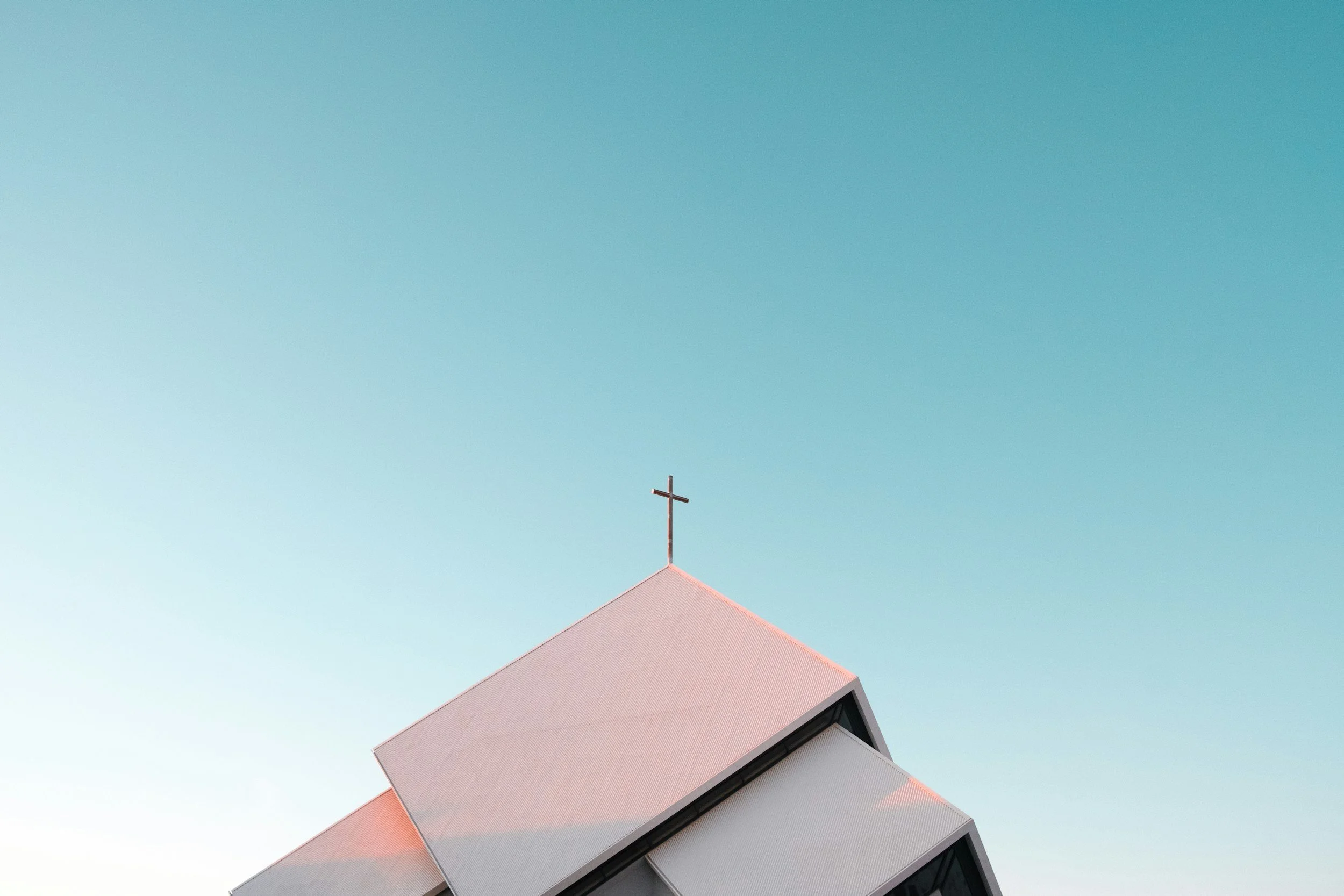
Space for complexity.
I personally understand the complexities and challenges that come with years spent in HCR environments. While I am not anti-religion, I recognize the devastating harm that can sometimes occur within religious or otherwise spiritual spaces. I also believe that, when safe and supportive, religion can offer a deep and fulfilling sense of community and belonging, which are increasingly rare in today’s world. No matter where your journey takes you—whether it includes remaining in a religious environment, shifting to a new one, or leaving religious spaces altogether—I would be honored to walk the path of healing with you. It is my belief that our spirituality and connection to the divine, especially when very personally meaningful to us, are among the most important parts of us as humans. You don’t have to navigate this alone.
Learn More…